Sichuan Feast

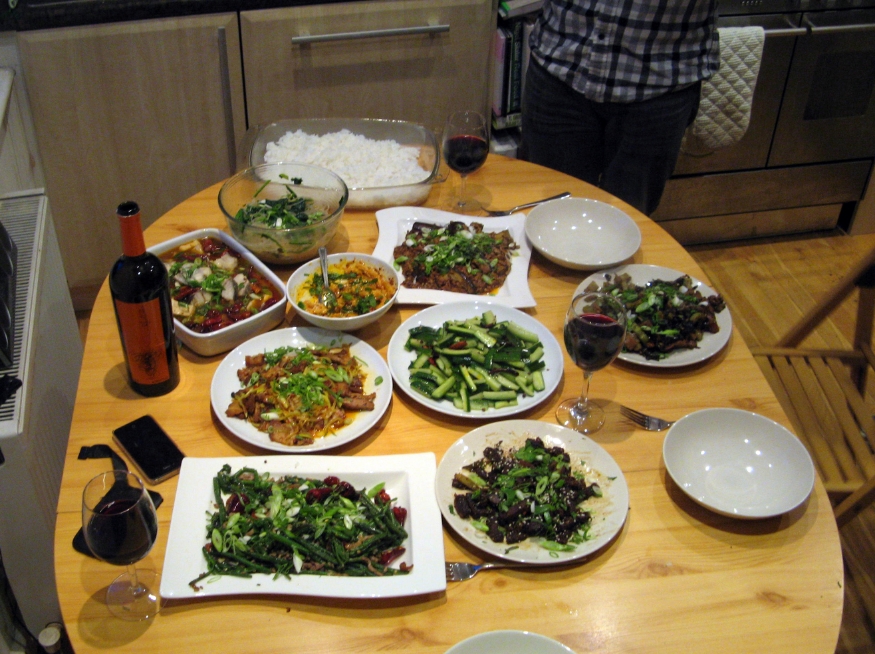
My friend and I cooked this Sichuan feast for another friend’s birthday present. The power of Microsoft Word was harnessed to create a voucher entitling him to “1 Sichuan Feast cooked in your own home”, which he chose to redeem on Saturday.

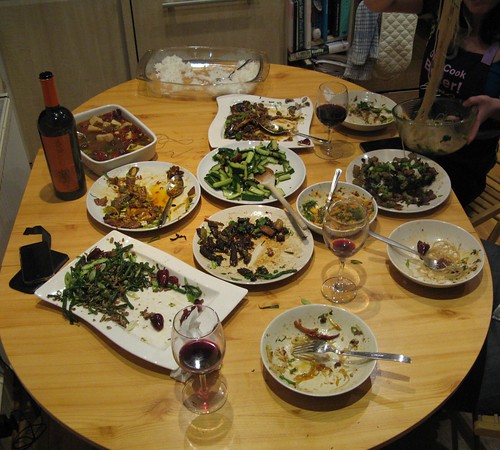
When the three of us get together, you could say that we enjoy a little drinky. Now this meal took a few hours to prepare so by the time we finished we were a little under the influence. Most of the feast was delicious although there were a few misses: the spicy cucumber salad from Fuschia Dunlop’s ‘Sichuan Cookery’ was strangely bland even though I’ve cooked it 5 times before and it’s always amazing; the tripe (we weren’t sure what to do with it really) and an attempt at getting creative with a bitter melon and black fungus. We blame the booze.

There were plenty of hits though – my mate and I make a damn good team in the kitchen and we’ve got some fine feasts under our belt like this and this. We made fish fragrant aubergines which ended up more like fish fragrant pork, fish and tofu hotpot, twice-cooked pork and the hot and numbing ‘dried’ beef. The meat is not actually dried but goes through a four stage cooking process: first it’s simmered in one piece then thinly sliced; next it’s marinated in a mixture of spring onion, ginger, shaoxing wine and salt before being deep fried, rendering it like strips of  jerky, with a bit more juiciness. Those slices are addictive, as you would expect bits of deep fried meat to be and you need to resist eating them all before the final stage of simmering with soy, ginger, spring onion and sugar until the liquid has reduced to the merest lick of syrup. It’s then dressed with the hot and numbing part – ground Sichuan peppercorns and dried chillies before being sprinkled with coriander and sesame seeds. The pieces of meat have a very satisfying chew and leave a tantalising tingle on the lips.

A few hours, two bottles of champagne and a bottle of Albarino later and we went at that feast like hungry wolves. Noodles flew; hot pot broth splashed; peppercorns bounced across the floor. It must have been quite a sight. Between us we’d prepared nine dishes, had as much fun during the cooking as during the eating and made our friend happy. I call that a success.

You can see more photos from the feast on my Flickr.

Hot and Numbing Dried Beef

(from Sichuan Cookery by Fuschia Dunlop)

500g lean beef in 1 piece
Oil for deep frying, such as groundnut or vegetable oil

For simmering the beef
Small piece of cassia bark or cinnamon
1 star anise

For the marinade:
2tsp shaoxing wine
4 spring onions, white parts only
25g piece of ginger, unpeeled
1/2tsp salt

For the braising:
1 tablespoon sugar
1tablespoon dark soy
25g piece of ginger, unpeeled
3 spring onions, white parts only
1/2 teaspoon salt

For the dressing:
1 teaspoon ground roasted Sichuan peppercorns
1-2 teaspoons ground chillies/chilli flakes
2 teaspoons sesame oil
2 teaspoons toasted sesame seeds
Very small bunch of coriander leaves, roughly chopped

Put the beef in a large pan with the cassia bark and star anise, cover with water and bring to the boil. Turn down the heat and simmer until the beef is cooked then remove and set aside. Reserve the cooking water. Slice the beef into 1cm slices along the grain, then slice across the grain into 1cm wide strips. Halve any long pieces so that all the strips are roughly the same size.

Crush the ginger and spring onions a bit with the side of a knife or heavy object then chop each into 3-4 pieces. Place in a bowl with the shaoxing wine and salt, add the beef and mix really well. leave for half an hour or more in the marinade.

Heat the oil for deep frying in a deep pan. Add the beef in small batches for about 4 minutes, until the pieces are reddish broan and crisp. Set each batch aside to drain on kitchen paper. Don’t worry if they stick together during frying, they should pull apart easily.

Heat 2tablespoons of oil in a wok, until smoking. Stir fry the ginger and spring onions for 30 seconds or until the oil smells fragrant. Add 500ml of the reserved beef cooking water plus the soy, sugar and salt. Add the beef and bring it to the boil. Turn down the heat and simmer for about 30 minutes until the beef has absorbed almost all the liquid leaving a syrupy glaze coating the beef.

Mix together all the ingredients for the dressing. Arrange the beef on a serving plate and pour over the dressing then garnish with the coriander leaves and sesame seeds.
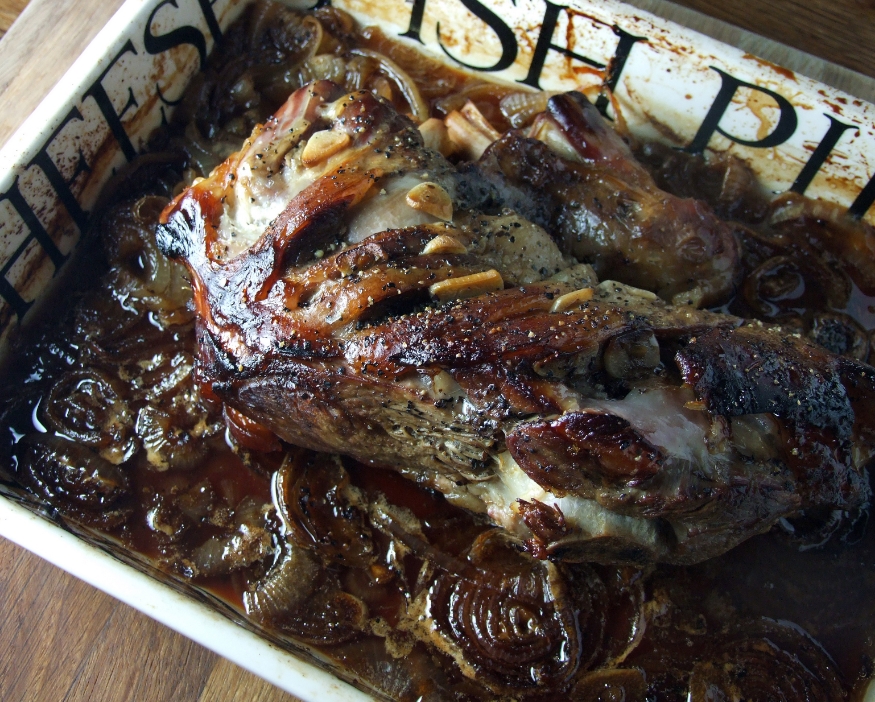
Slow Roast Shoulder of Lamb with Pomegranate Molasses

Yes I did say I was going to eat less meat in January but I had this on New Year’s Eve so ha! It’s allowed. We decided to stay in this year; basically I’ve had it with NYE, we’re through. Done. Kaput. What I mean to say is that I’m done with going out on NYE – there’s literally no worse way to start a fresh year than waking up in The World of Pain. I still managed to consume a fair amount of cava, but at least I didn’t pay silly money for each glass, or wake up on someone else’s floor after a house party with a crick in my neck and a stranger breathing stale boozy morning breath in my face.

This year my boyfriend and I got steadily sozzled in our own home while this lamb shoulder roasted slowly until the meat was falling away from the bone. I found the recipe on Becky’s blog. Pom molasses has to be the perfect marinade for lamb, all sweet and sour; the edge bits get sticky and the onions and garlic break down into the gravy. It’s almost obscene, it’s so tasty.

We stuffed it into pitta breads with some very finely shredded cabbage and a salsa I made with tomatoes, onion and my mum’s incredible pickled chillies which are packed with coriander seeds. It was basically a really posh kebab and way better than anything I could have picked up around these parts as I staggered my way home after midnight.

Slow roast shoulder of lamb with pomegranate molasses

100ml pomegranate molasses
100ml water
3 large onions, thickly sliced
4 cloves garlic, finely sliced

Leave the lamb to marinade for a few hours in the pomegranate molasses. I made a few slits in the meat to allow the molasses to penetrate the meat and shoved a few slices of garlic into each slit.

Allow the meat to come up to room temperature before cooking. Preheat the oven to 150C.

Place the onions and garlic in the bottom of a large, oven proof lidded dish (or just cover your dish with foil, as I did). Place the lamb on top and pour over the pomegranate molasses, rubbing it into the lamb. Add the water, cover and place in the oven 3 hours for a 1kg joint (adding 20 minutes extra per 500g).

After this time, remove the lamb joint from the juices, pour the juices into a bowl and leave for half an hour to allow the fat to move to the top. Skim off the fat and discard it. Turn the oven up to 190C. Return the lamb and skimmed juice to the oven in a roasting tray. You can drizzle over some extra pomegranate molasses at this point. Cook for 30 minutes until the juices are bubbling and lamb is browned.

When cooked, pull the lamb apart and stuff into pitta breads, or whatever else you fancy. Make sure to get a good helping of that sticky sauce, too.

Stuffed Onions

The second Ottolenghi book (Plenty), is just as beautiful as the first. All the recipes are veggie, which fits perfectly with my wishy washy intentions to eat hardly any meat in January. Apart from when I eat out, which is quite a lot. I ate chicken just last night for example and very delicious it was too.

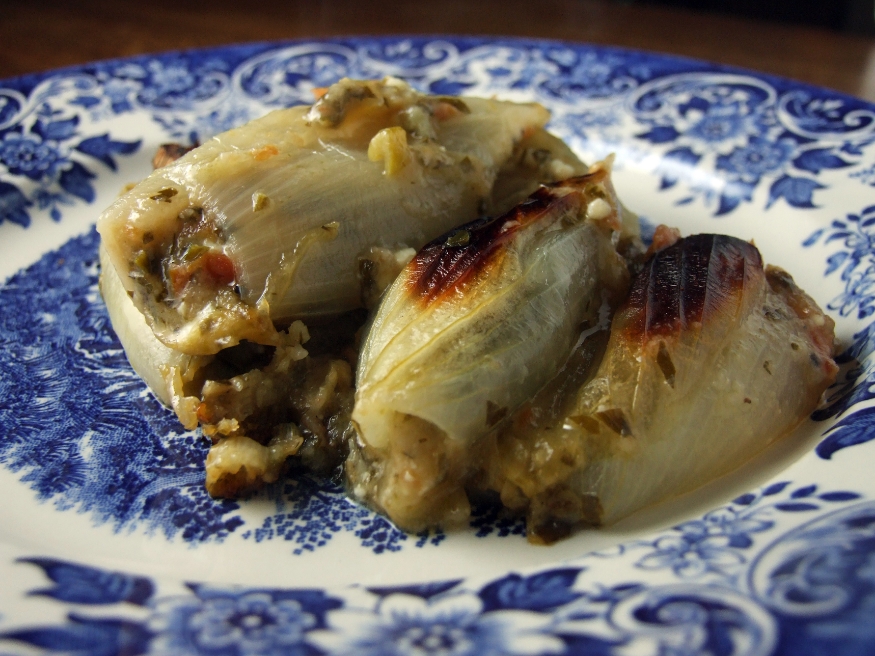
Anyway, these stuffed onions are pretty amazing. Poached onion layers are filled with feta, herbs, spring onions and breadcrumbs. The latter provide substance and are gooey and swollen with flavour from the cooking stock. We ate some of them on their own with a salad then immediately ate the rest from the baking dish with our hands. The most unexpectedly rich and comforting dish I’ve eaten in a very long time.

Ottolenghi’s Stuffed Onions

(in theory, they could serve 4 but there’s no chance to be honest. Serves 2). I’ve also made his black pepper tofu from the same book.

500ml veg stock
350ml white wine
4 large onions
3 small tomatoes
120g white breadcrumbs
90g feta, crumbled
80g parsley leaves, finely chopped
3 tablespoons olive oil
3 spring onions, finely chopped
3/4 teaspoon salt
Black pepper

Butter, for greasing the dish

Preheat the oven to 180C and grease a baking dish with butter.

Combine the wine and stock in a saucepan and bring to the boil. While this is happening, trim the top and bottom from the onions, cut them lengthways in half and remove the skin. Carefully remove most of the insides to leave 3 or 4 outer layers of onion. Carefully separate these. Turn the stock to a simmer and put the onion layers in it, a few at a time. Cook them for 3-4 minutes or until just tender then set aside. Keep the stock.

To make the stuffing, grate the tomatoes into a bowl using a coarse cheese grater. Most of the skin will be left behind in your hands and you can discard it. Add the feta, breadcrumbs, parsley, olive oil, spring onions, salt and some pepper. Mix well.

Fill each onion layer generously and roll into a ‘fat cigar shape’. Place fold side down in the dish. Pour over about 75ml of the stock. Bake for 45-50 minutes or until they are brown and charred in places and bubbling underneath. You can add more stock if they look like they’re drying up during cooking. Serve warm.

24380258491_5514d25039_b

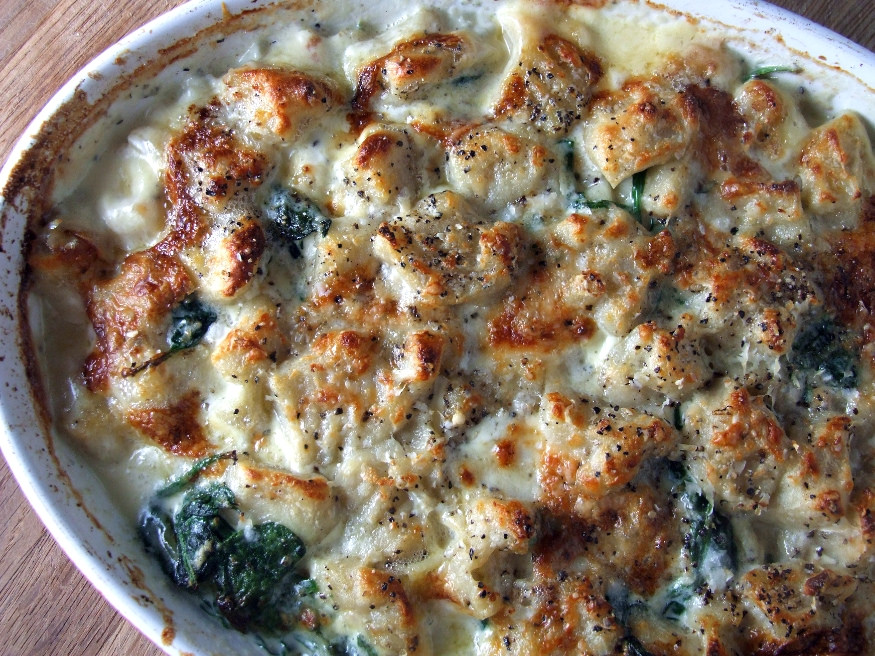
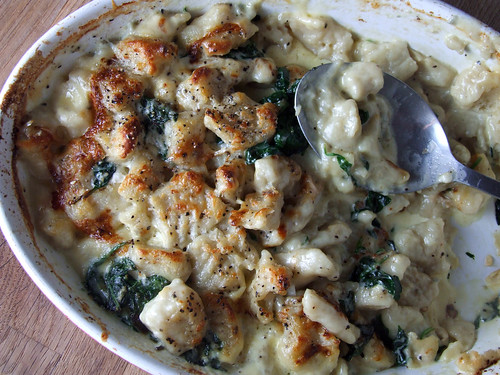
Now I know you’re all thinking about diets, detox and exercise. So am I. Let me lead you astray for a moment though as I reminisce about this baked gnocchi I made for my boyfriend’s birthday. We’d started with a venison carpaccio to keep space inside for this baked behemoth – home made gnocchi crisped on top and creamy down under, oozing wads of Gorgonzola.

I’d not made gnocchi at home before and I was startled at the difference; they were very light compared to shop-bought. I was careful not to add too much flour to the mixture because that makes them tough, apparently. Then again, too much potato and they may fall apart during cooking. Many recipes stated so many different ratios of potato to flour that in the end I threw up my arms, huffed and stomped. Then I remembered that bible of Italian cooking, The Silver Spoon. Their recipe suggested 1kg  potato to 200g  flour which of course worked an absolute treat.

Baking gnocchi is a bit like frying or baking pasta, adding another texture on top. I used a creamy rather than piccante Gorgonzola as I wanted it nice and gooey; the cheese basically forms the sauce along with a splash of double cream for good measure. The spinach worked well although you could use chard, cavolo nero or other greens instead. A sharp, lemon dressed salad on the side will balance the richness. In your face, detox!

Baked Gnocchi with Gorgonzola and Spinach

1kg potatoes
200g plain flour, plus extra for dusting
1 egg, lightly beaten
Salt

Steam the potatoes for about 25 minutes, or until tender. Mash with a potato ricer or beat with an electric whisk (as I did) until perfectly smooth. Stir in the flour, egg and a pinch of salt and knead to a soft, elastic dough. Shape the dough into long sausages about 1.5cm in diameter. Cut into 2cm lengths. Press each gnocchi with a fork or the underside of a grater and set aside on a tea towel dusted with flour in a single layer.

Bring a large pan of lightly salted water to the boil and cook the gnocchi, a few at a time, until they rise to the top. Remove them and drain.

For the sauce

Gorgonzola (as much as you dare, I wasn’t really in a measuring mood. Probably used about 250g).
Double cream (again, wasn’t measuring. Look, there’s no way this can go wrong so don’t worry too much about quantities. Probably about 100ml).
Spinach, 200g (ha! I knew that one)
A little Parmesan for the top
White pepper, black pepper and salt

Preheat your oven to 180C

Wash your spinach and then, without drying it, put it into a saucepan on a low heat. Put a lid on. Let it wilt then drain it well and squeeze to rid it of some moisture (if you use more cabbage-like greens such as chard or cavolo nero you’ll need to cook them in boiling water). Put your cooked gnocchi into a baking dish, break up your cheese and spread it about; do the same with the spinach then pour over your cream. Season with white pepper, salt and black pepper. I think the two types of pepper makes a difference but you could leave one out. Grate over a little Parmesan and bake for 30 minutes or until golden brown and bubbling.

Quick and Easy Sausage Rolls

My friends ask me for this recipe more than any other. I can’t believe it’s taken me this long to type it out here once and for all to save myself typing it out every single time someone asks. Idiot. Anyway, I make these rolls for most parties and gatherings and they always disappear rapidly.

As far as I’m concerned, there are 3 roads you can go down when making sausage rolls. The first involves the most effort and that is to go and buy sausage meat and season it entirely yourself with onion, herbs, spices, whatever (I sometimes use chunks of soaked, dried apricot). The second is to cheat and squeeze the meat from a pack of really good sausages and do nothing else except wrap it in the pastry and the third is the same but with a bit of pimping here and there according to my mood on the day.

This time I used the meat from 6 sausages and felt very strongly that the absolutely essential thing to do was to add more onion and so grated in half a small white one. You could add an extra herb if you’ve chosen quite a plain sausage – sage or thyme are both good choices. The sausage meat is obviously already seasoned so you don’t need to add any salt or pepper. Clearly you’ll need to buy your puff pastry if you want this to be quick and to be honest I’ve never been arsed to make my own anyway.

Probably a 30 minute job from start to scoff. People will love you.

Very Quick and Very Easy Sausage Rolls

400g sausages (or thereabouts)
1 x 320g packet ready-rolled puff pastry
1 egg, beaten
Any pimpage your heart desires – onion, herbs, spices etc. (if you’re unsure you might want to fry off a teaspoon of the meat to test it)

Preheat the oven to 220C

Squeeze the meat out of the sausages, into a bowl. If you are using extra herbs or onion, add them now too. If adding onion, you will need to grate it, otherwise it won’t cook properly. Mix very well with your hands.

Open your pastry out onto a lightly floured surface. If it’s pre-rolled then you’ll just need to roll it a little thinner (same rectangular shape) until it is about the thickness of a 2p coin. Cut it lengthways into 4 strips. Divide your meat into 4 balls then use each of the balls to make a long sausage along each strip of pastry.

Brush one edge of each strip with the beaten egg then fold each roll over and seal it as best you can. Turn it over to make sure it is well sealed. Turn it back over and cut into 1 inch lengths. I like to snip the top of each roll with scissors but it’s not necessary. Brush each roll with more beaten egg then put them on a baking tray (you can lightly grease it but don’t panic if you forget, they won’t stick too badly) and bake for 20 minutes or until golden.

If you’re not serving them on the day you made them, reheat them in the oven for 5 minutes, otherwise they will be soft.

Jamaican Patties
Jamaican patties are a product of English colonialism and East Indian migration into the Caribbean: the former brought the idea of pastry while Indian slaves brought cumin. Both mix well with the Caribbean flavours: thyme, spring onion, scotch bonnet pepper and allspice.

The patties are highly savoury and perfect if you’re growing tired of snacking on mince pies, deep fried brown things and crisps, as I am. The way to eat a Jamaican patty is to pick it up and dunk it gleefully into your favourite hot sauce. Wash it down with a Red Stripe.

Jamaican Patties Recipe

This recipe makes 8-10 patties.

For the crust

250g plain flour
1/2 teaspoon ground turmeric
1/2 teaspoon curry powder
1/2 teaspoon salt
125g fridge cold butter, cubed
5-6 tablespoons cold water
1 egg, beaten

For the filling (I have a bee in my bonnet about doing a slow-cooked goat filling next time).

250g minced beef
2 cloves garlic, crushed
1 inch piece ginger, finely chopped
1 heaped teaspoon thyme leaves
5 spring onions, finely chopped
1/2 scotch bonnet chilli, finely chopped
1/2 teaspoon cumin
1 teaspoon allspice
1/2 tin chopped tomatoes

Preheat the oven to 170C

Heat 1 tablespoon vegetable or groundnut oil in a pan and add the ginger, garlic and chilli for 30 seconds. Add the beef and cook until brown. Add the spices and stir for 30 seconds. Add the tomatoes, spring onions and thyme and let simmer for 10 minutes or so, stirring every so often, until nearly all the liquid has evaporated.

While the beef is simmering, make the crust. Sift the flour, turmeric, curry powder and salt into a bowl. Add the cubes of butter and rub it in with your fingertips until the mix resembles fine crumbs. Add 5 tablespoons of cold water (add another if it’s too stiff) until you have a stiff dough then turn it out onto a lightly oiled surface and knead until smooth. Do not over work the dough, knead it just enough until it is smooth.

Grease two large baking trays. Roll out the dough until a few millimetres thick and use a saucer to cut circles from it – as many as you can. You can re-roll the trimmings to get more circles. Lay the circles on the baking tray (they will be too hard to move once filled) and brush the edges of each with the beaten egg. Dollop some of the filling in the centre of each then fold over to form a patty. Seal the edges by crimping with a fork.

Brush the patties all over with more beaten egg and bake for 20 minutes, or until golden brown. Serve with hot sauce and beer.

The crust recipe is adapted from the Waitrose website.

5211441407_767df83dac

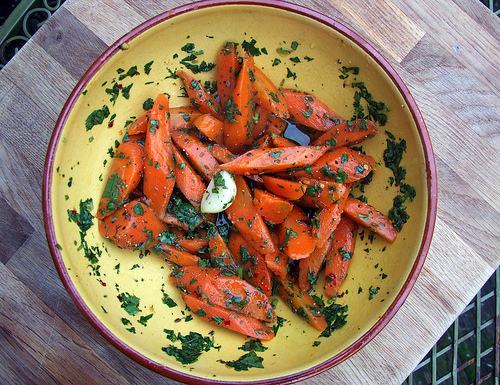
When I used to order a veg box, I had to cancel carrots because I just couldn’t face ploughing through them every single week. This does mean though, that I’ve prepared carrots in just about every way possible and now that I can enjoy them again, I find I keep returning to this recipe.

It has a wonderful sweet and sharp balance, plus the smoky hum of toasted cumin seeds, plenty of zippy coriander and a good slug of olive oil. Dress the carrots while they are nice and hot so they suck up the dressing.

Warm Moroccan-style Carrot Salad

500g carrots, peeled and chopped into bite size chunks
1 teaspoon cumin seeds, toasted in a dry pan until fragrant
A small handful coriander leaves, roughly chopped
1 teaspoon hot chilli flakes
1 tablespoon red wine vinegar
1 teaspoon icing sugar (or to taste)
3 tablespoons olive oil, or more if you like
3 whole cloves of garlic, peeled

Cook the carrots with the whole garlic cloves until just tender. Meanwhile, combine the sugar, red wine vinegar, coriander, cumin seeds, chilli flakes and olive oil in a bowl. When the carrots are ready, mix them with the dressing. The garlic cloves will have mellowed and are also good to eat.

The salad keeps well and is nice cold too but make sure to give it a good mix before you serve as the dressing collects at the bottom of the bowl.

Slow Gin

The only ‘hard work’ involved in making sloe gin is foraging those sloes. Most recipes also advise you to painstakingly prick each sloe with a pin to allow the juices to leach out in the bottle. Forget this. I recently ran into Sipsmith’s master distiller, Jared Brown who gave me an absolute blinder of a tip – put the sloes in the freezer before bottling. This way, their structure breaks down through the freezing process, eliminating the need to prick.

Now it is really just a case of chucking everything in a bottle.

Sloe Gin

(makes a 1 litre bottle)

Sloes are the fruit of the blackthorn bush and are best picked after the first frost, when they should be ripe.

500g sloes
Gin (I used Beefeater – not too simple or complex in flavour)
100g-150g caster sugar (I used 100g as I don’t like it too sweet but most recipes use 150g)

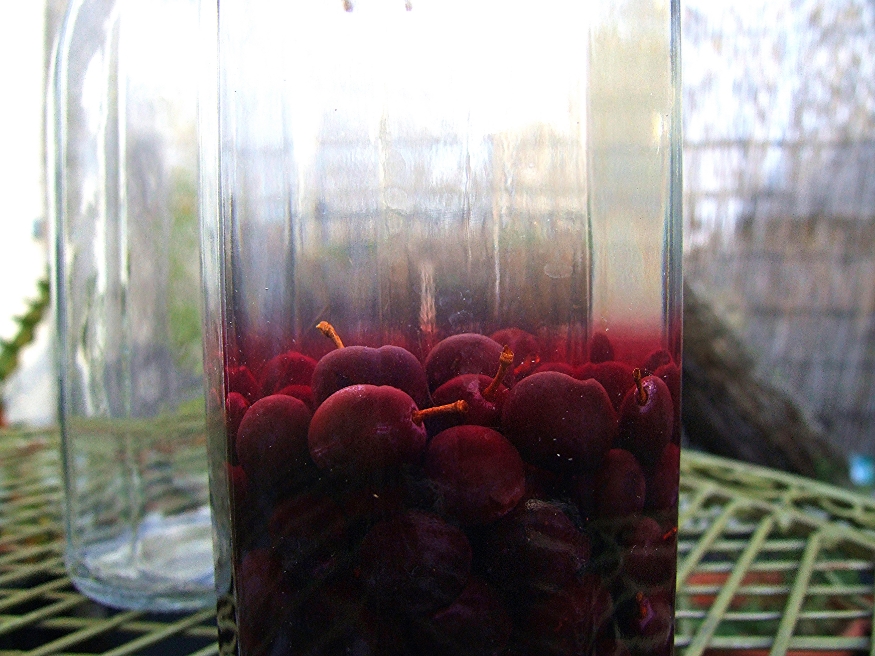
Once you’ve foraged your sloes, pick over and wash them thoroughly. You can be diligent and remove all little stalky bits if you like but as you can see I didn’t even bother doing that. Once frozen, sling the sloes into a clean 1 litre bottle. Funnel in the sugar and then cover with gin.

Turn the bottle daily for a week or two, then just turn it (upside down and back again) every week or so. You can drink it after about 2 months but 6 would be better (no-one ever waits that long). When ready to drink, strain the gin through muslin and re-bottle.

Okra Pachadi

Most of the recipes on this blog are my own, but sometimes I want to share others I’ve stumbled across, or those that people have sent to me. This pachadi recipe comes from Sharmila, a local food blogger who does Very Good Things with yoghurt and okra.

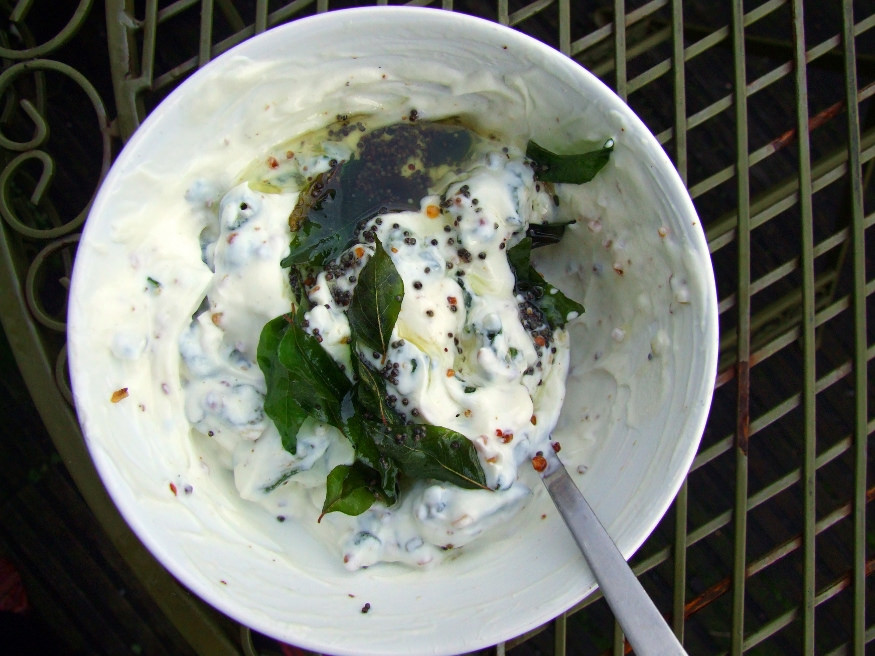
In my limited experience, a pachadi appears to be a base of yoghurt and vegetables, topped with a mixture of tempered spices; like pouring a tarka over a dahl. It’s clearly South Indian, as mustard seeds and curry leaves feature heavily in many recipes. My first chapadi experience came via Flickr when one of my contacts posted a recipe so unusual to my eyes that I had to have it. Mustard seeds, dried chilli and curry leaves are fried briefly in coconut oil until the seeds pop then mixed with yoghurt and cucumber. It’s hard to resist bombing a hot chapatti into the still-sizzling spiced oil. The flavours will have you on the edge of your seat.

Paneer


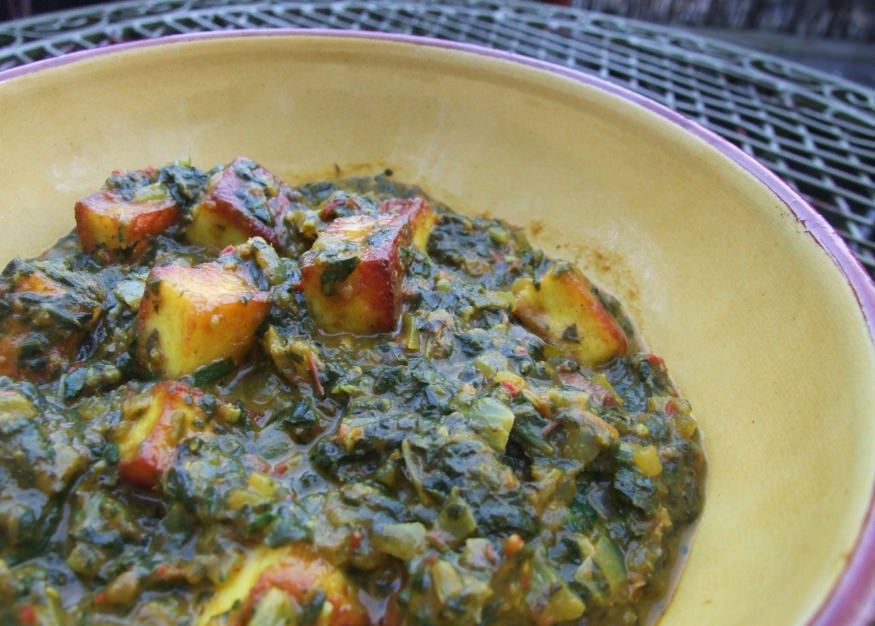
Sharmila’s version is made using okra slices, fried until crisp; a beautiful contrast against the chilled yoghurt. It takes minutes to make and I can particularly recommend it as part of a  ‘curry day’ extravaganza; nargisi kofta curry, chicken tikka and this excellent spinach and paneer dish from Das Sreedharan’s hugely under-rated book, ‘Indian’*. Yes, I know I go on about that book all the time.

Okra Pachadi

1 teaspoon black mustard seeds
10 or so curry leaves
2-3 green chillies, chopped into a few pieces
Chilli powder
Lemon juice
Coriander leaves
Two large handfuls of okra, chopped up into smallish (2cm pieces)
Natural yoghurt
Salt to taste
Groundnut oil

Fry the okra in a few tablespoons of groundnut oil until nice and crisp. Drain on kitchen paper.

Combine the okra with the yoghurt (about 200g) and a bit of chilli powder (but not too much – this isn’t a spicy dish). Fry the mustard seeds in a small pan in a tablespoon or so of oil. When they start to pop, add the green chilli and curry leaves. When they are nicely sizzling, pour over the yoghurt mixture. Stir to combine, add salt and lemon juice to taste and then add the coriander leaves.

* The edition of Das’ book that I have doesn’t seem to be available any more but this looks very similar and I imagine will have a lot of the same recipes. It’s one of those books you actually cook from rather than just flick through.

Thanks again to Sharmila for the chapadi recipe.

Nargisi Kofta Curry

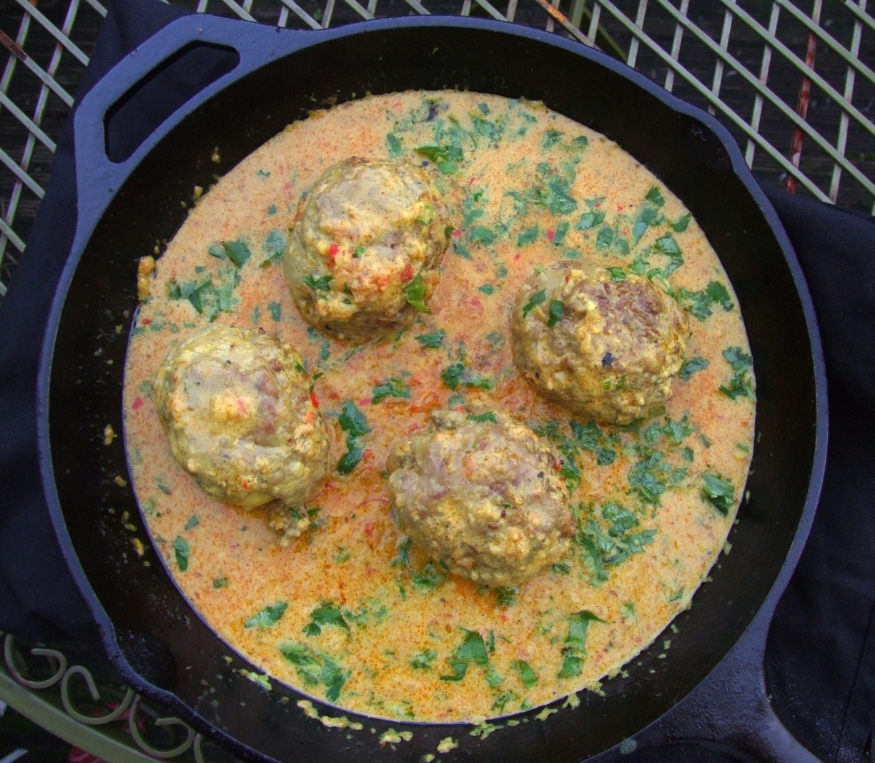
I can’t remember where I first heard about this curry but I knew immediately I must have it because the koftas are basically like lamby scotch eggs simmered in a curry sauce, which also has yoghurt in it.

The eggs are hard-boiled, wrapped with a mixture of minced lamb, puréed onion and garlic, fried and then simmered in a masala sauce.  The slightly sour, spiced yoghurt mixture is a perfect contrast against the rich protein bombs that are the koftas – boy, are they filling. We could only manage 1 each with all the other dishes and I wondered if quail’s eggs might be good instead of hen’s; a bit more bite size if a little more fiddly.

An amazing curry though; who doesn’t want egg wrapped in meat in spicy sauce? You don’t? Please leave.

Nargisi Kofta Curry

(a recipe was kindly sent to me by Maunika, but I couldn’t resist playing around with it).

For the koftas

4 eggs
250g minced lamb
1 medium onion, blended to a paste
1 fat clove garlic, crushed
Salt and pepper

Flour, for dusting the koftas prior to frying

For the masala

2 medium onions, finely diced
2 cloves garlic, crushed
1 red chilli, finely chopped
1 green chilli, finely chopped
1 inch piece of ginger, finely chopped
3 medium tomatoes, skinned and finely chopped
1 teaspoon ground coriander
1 teaspoon ground cumin
1/2 teaspoon turmeric
1 teaspoon garam masala
8 tablespoons natural yoghurt
Fresh coriander, to serve

Groundnut oil, for frying

Hard boil the eggs by putting them in a small saucepan, cover them with water, bring to the boil and then let bubble for about 6 minutes. Remove them from the water, put them in a bowl, cover them with cold water and allow to cool.

Meanwhile, mix the rest of the kofta ingredients together (not the flour) very well in a bowl. It is easiest to use your hands for mixing the meat. When the eggs are cool enough to handle, remove their shells. Divide the meat mixture into four then wrap each egg in the meat. An easy way of doing this is to spread the meat out in an oval shape on a piece of clingfilm, place the egg in the middle, then draw the clingfilm up around the sides of the egg. Make sure all the meat is sealed so there are no gaps where the egg is showing then roll each one in a little flour.

Heat a 1cm depth of groundnut oil in a heavy based pan then fry your koftas, turning them gently, until golden on all sides. Remove and drain on kitchen paper.

To make the sauce, soften the onions in a 3 tablespoons of oil in a frying pan until soft, about five minutes. Add the garlic, ginger and chilli and cook for another couple of minutes, stirring. Add the tomato paste and spices, then mix well and fry until the oil starts to separate from the masala. Add 250ml water and allow to cook for a few minutes. Remove from the heat and stir in the yoghurt a tablespoon at a time. Add the koftas back to the pan, return to a low heat and cook gently for a few minutes, carefully turning the koftas over in the sauce to ensure they are heated through. Scatter with fresh chopped coriander and serve.

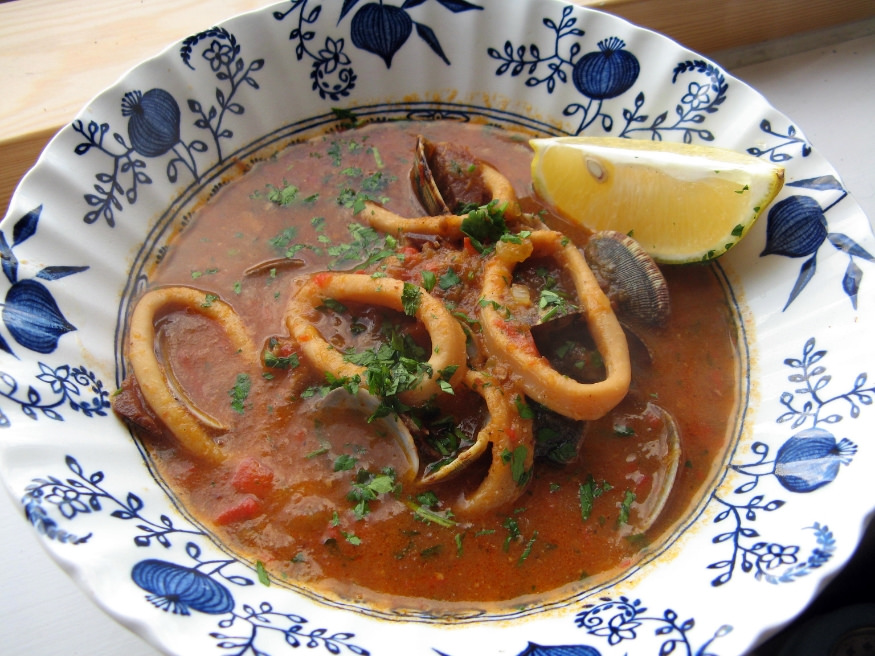
Squid, Pork and Clam Stew

When on holiday in Spain, my mates and I bought a packet of jamon off-cuts; the stubby pieces from the end of a leg of ham which are no good for carving but better (we presumed) for slow cooked dishes, like stews. We didn’t have time to use them while there due to the sheer, greedy quantity of other food we’d bought but as they would keep well, I brought them back and made a promise to cook something at a later date. Inspiration came from a squid dish we’d eaten in a local restaurant in L’Escala – tender rings in a rich, reduced tomato sauce. I wanted to re-create it and, as ever, considered what would happen if I added some pig.

I fried the off-cuts until the fat melted then used that as a base for a tomato, red pepper and smoked paprika sauce, cooked down very slowly for 3 hours or more. It’s a weekend job, so I made a big batch and shoved some in the freezer. After that, it’s just a case of simmering the squid until tender. I also added some clams last minute because I love the combination of shellfish and pork. To finish, a picada, Catalan-style: crushed garlic, breadcrumbs and toasted ground almonds which thicken the sauce and add punch. A sprinkle of parsley, a wedge of lemon and serve. We mopped it up with torn chunks of a crusty white loaf, washed it down with Brew Dog beers and re-acquainted ourselves with the level of smugness we’d felt while on holiday.

Squid, Pork and Clam Stew

For the base tomato sauce

1 packet of jamon off-cuts (sorry, I can’t remember the quantity but I reckon about 200g. Chorizo would make a good substitute)
5 tomatoes
2 red peppers
1 large stick of celery
2 large onions
1/2 teaspoon smoked paprika
1 heaped teaspoon sugar

Begin by skinning the tomatoes. Cover them with boiling water then wait for about 5 minutes until their skins start to split. You can then take them out and peel the skins off.

Finely chop the peppers, celery and onions (it’s worth making the effort to chop them very finely). When the tomatoes are cool enough to handle, roughly chop them. Add a couple of tablespoons of vegetable or groundnut oil to a heavy based pan then add the pork bits until the fat has melted, stirring often over a medium-low heat.

When the fat has melted, add the vegetables, smoked paprika and sugar, bring to a simmer then reduce to the lowest heat. Put the lid on and let cook very gently for 3 hours if possible.

For the rest of the stew

2 medium squid
2 handfuls clams
A couple of tablespoons chopped parsley
500ml vegetable or fish stock
Lemons, to serve
Bread, to serve

1 clove garlic, crushed
1 slice dry white bread, made into crumbs
50g almonds, lightly toasted

Make the picada by toasting the almonds in a dry pan: move them around often over a medium heat until lightly golden. Grind them to a paste in a pestle and mortar. Mix them very well with the garlic and breadcrumbs.

When the tomato sauce is ready, heat your stock and add it to the tomato sauce. Add the squid, then simmer until the squid is tender, about 40 minutes. While the squid is cooking, clean your clams by submerging them in salted water for half an hour; this is so they spit out all the grit and other stuff you don’t want to eat. Drain them and add to the sauce for a few minutes, until their shells pop open. Add a tablespoon of picada, stir it in then taste and decide if you want any more. I found a tablespoon to be enough.

Ladle the stew into bowls, then scatter the parsley over and serve with lemon wedges, and the bread.

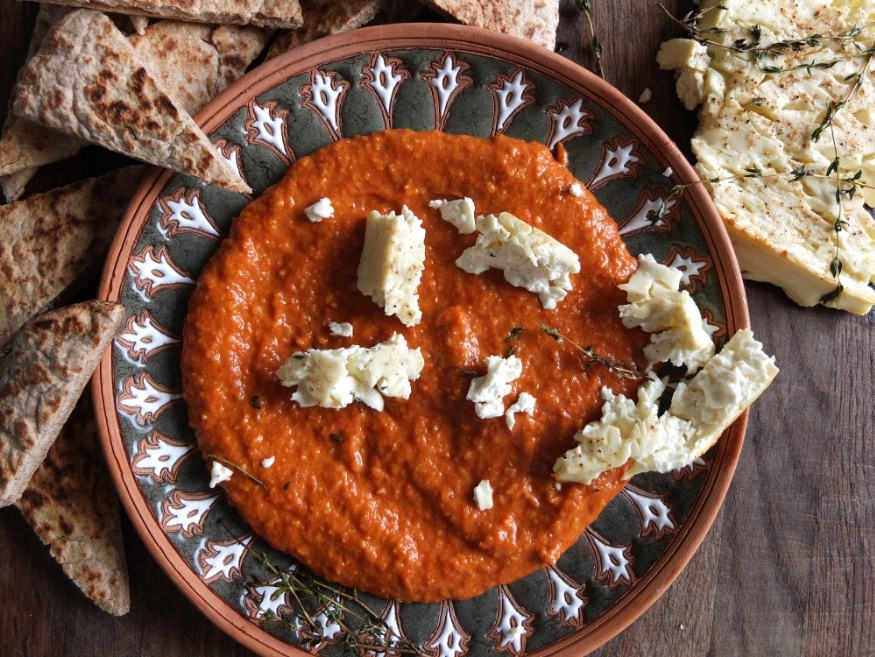
Muhammara

I’ve had a few requests for the muhammara recipe we served at the Warwick Wingding. I’ve updated it recently so it’s worth posting again. Do try to find the chilli pepper paste* if you can as it has a unique flavour, although regular chillies also work. I often leave out the cumin, too.

Muhammara

8 red peppers
4 tablespoons olive oil
70g walnuts
2 tablespoons hot pepper paste or 2 red chillies, finely chopped
1/2 teaspoon cumin seeds, toasted until fragrant in a dry pan and then ground to paste using a grinder or pestle and mortar
50g white breadcrumbs blended to a paste with about 1 tbsp cold water
2-4 tablespoons pomegranate molasses (to taste)
1 clove garlic, crushed
Salt and pepper

Preheat the oven to 200C/Gas 6

Put the peppers on a roasting tray, drizzle with olive oil, sprinkle with salt and pepper then use your hands to mix around until all the skins are covered. Roast until the skins are blackened then place in a bowl and cover with cling film. Leave for 10 minutes. The skins should now be easy to remove. Chop roughly, discarding the seeds.

Put the peppers, walnuts, breadcrumb paste, chillies, cumin, pomegranate molasses and garlic in a blender and blend to a paste. Remove from the blender and mix in the olive oil then taste and add salt.

* The chilli pepper paste is available from Middle Eastern food shops and is often labelled ‘red pepper’ or ‘hot pepper’ paste. It comes in jars.